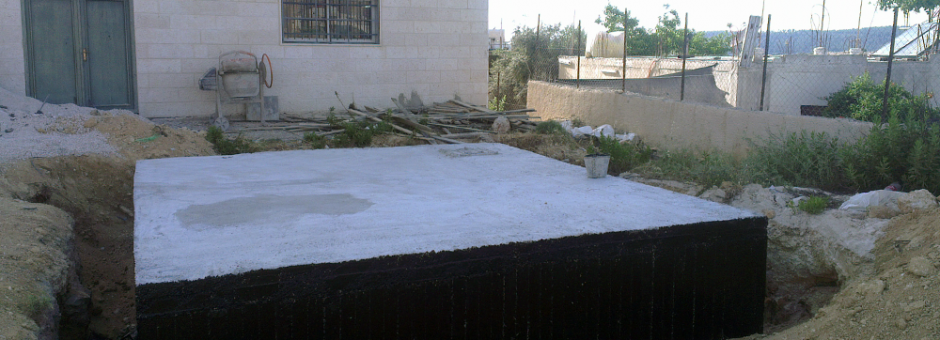
The Water Resources Action Project (WRAP) is a 501(c)(3) organization that brings rainwater harvesting systems, environmental education, and cross-cultural exchange to K-12 students in Israel, Palestine, Jordan, and the United States. Arab, Jewish, and Native American students work on shared environmental issues. Our objectives are to provide water to water-stressed communities, and to support high-quality, hands-on, water-focused environmental programs by providing resources, tools, and trainings. WRAP provides opportunities for students and teachers to collaborate and build trusting relationships in person and online.
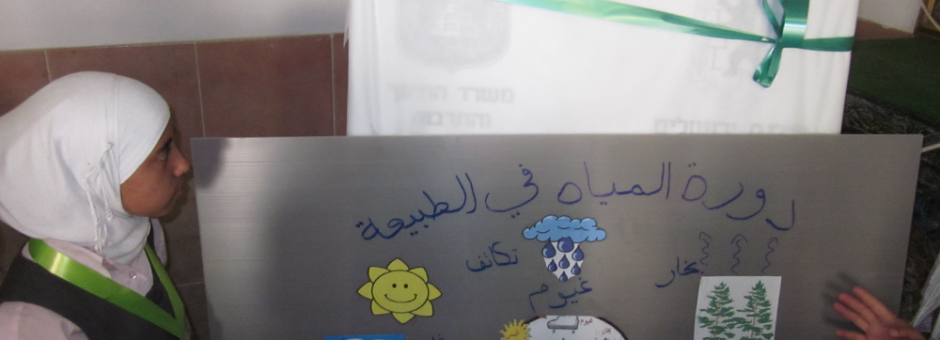
In the Middle East, WRAP seeks to build trusting relationships between teachers and students in Arabic and Hebrew speaking schools in Israel, Palestine, and Jordan through environmental peace-building programs.
Click here for an overview of our Middle East program (2018). https://www.youtube.com/watch?v=baW5qTGRBps
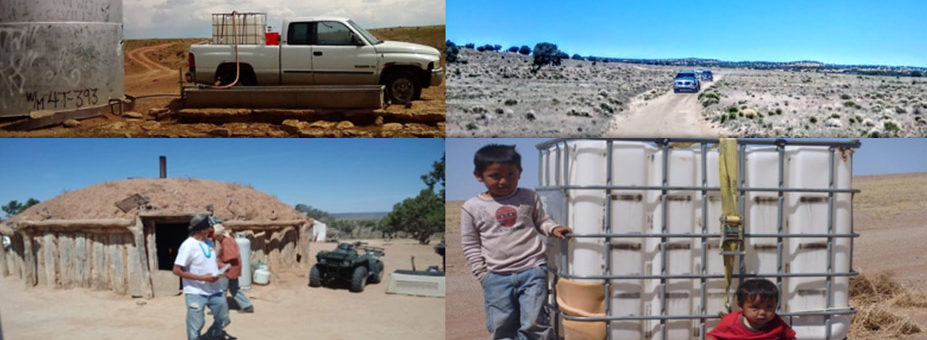
On Native American lands, WRAP seeks to provide safe drinking water to underserved populations using technologies developed in Israel and the United States. Our goal is to enhance students’ environmental education, while promoting cross-cultural collaboration and problem-solving at schools in North America and the Middle East. Learn more about our work on the Navajo Nation in Arizona here.
Click here for a description of our work on the Navajo Nation from the perspective of the Forgotten People, the Diné (Navajo) grassroots organization project lead.
https://drive.google.com/file/d/1PYjZvP207gWK1QuSLhSyrqObObjKVUTi/view?usp=sharing_eil&ts=6a232f2e
Click here a description of the program from WRAP Board Members. https://www.youtube.com/watch?v=jDSh4vbnrxs
Navigators Podcast 5/23/26 No Pipes. No Power. Just Rainwater and Gravity Anita Casaline, Navigators Podcast “We explore a simple but powerful water solution being used with families on the Navajo Nation: rain catchment, settling tanks, first-flush systems, and gravity-fed filtration that can work without electricity. The conversation looks at why some remote homes are not connected to municipal water systems, how monsoon rains can both help and disrupt access, and why the technology itself may be simpler than the human challenge of education, trust, and long-term adoption. We also discuss the importance of working through local partners, including grassroots Navajo organizations, and why schools may be one of the most effective places to teach the next generation about water, sustainability, and community resilience”. The photos in this podcast portray life on the Navajo nation.